Basement Mold Cleanup: Steps and Strategies for a Healthier Home
Recognizing the Problem Before It Grows
If you have spent any time in a basement that smells musty or feels damp, you have likely encountered mold. It is not just an eyesore. Mold can trigger allergies, worsen asthma, and even damage the structure of your home over time. I have seen basements where a small patch of mold behind a washing machine turned into a full-blown infestation within a few months because the moisture source was never addressed. That is why basement mold cleanup is not something you want to put off once you notice it.
Mold needs three things to thrive: moisture, a food source (like drywall, wood, or carpet), and a stable temperature. Basements check all those boxes, especially after heavy rain or a plumbing leak. The first step in any mold cleanup is to stop the water. Without that, you are just painting over a problem that will return.
Safety First: What to Wear and How to Prepare
Before you start scraping or scrubbing, you need to protect yourself. Mold spores can become airborne the moment you disturb them, and breathing them in is not safe. OSHA recommends at least an N95 respirator for small jobs. I would go a step further: if the affected area is larger than a few square feet, get a proper half-face respirator with P100 filters. Also wear gloves, goggles, and clothing you can wash or throw away.
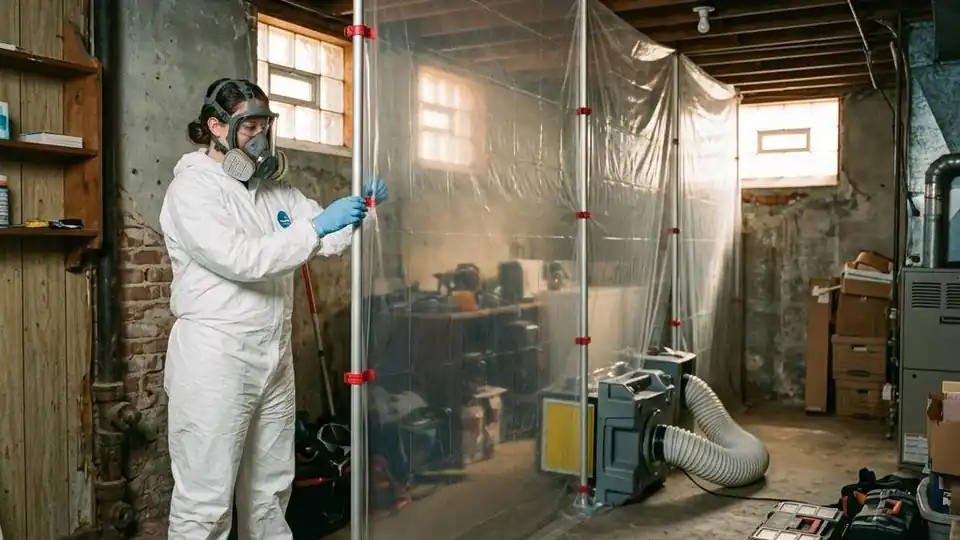
PPE is not optional here. I once helped a friend clean a basement after a flood, and he refused to wear a mask. He spent the next three days coughing and congested. That experience taught me that even "non-toxic" mold can cause real irritation. For larger jobs, especially if you suspect black mold (Stachybotrys chartarum), consider hiring a professional mold remediation company. They have air scrubbers, negative air machines, and the training to contain spores properly.
Assessing the Damage and Choosing the Right Cleaner
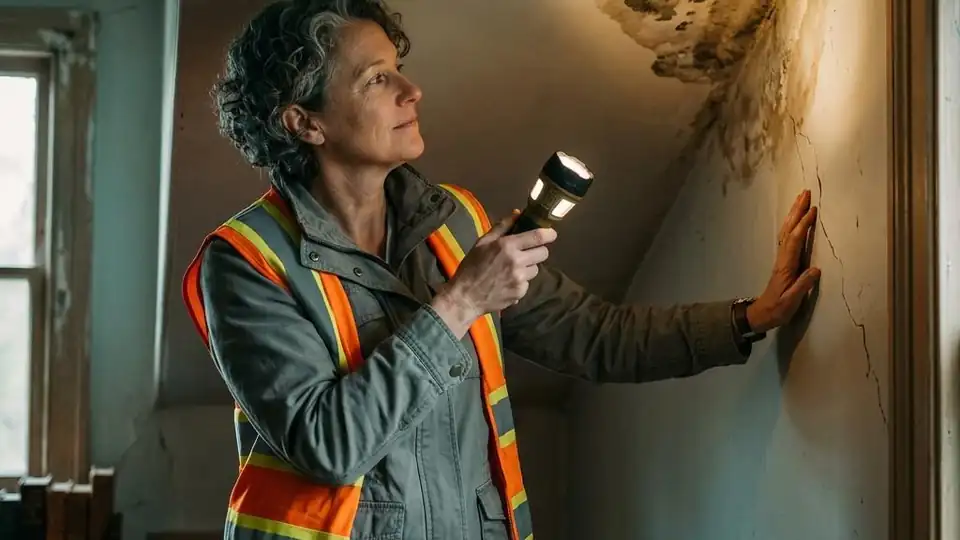
Once you are suited up, look at what you are dealing with. Is the mold on a hard surface like concrete or tile? Or is it on porous material like drywall or carpet? That distinction changes your approach. For hard surfaces, you can often scrub the mold away with a stiff brush and a cleaner. For porous materials, removal and replacement are usually the better call. Mold penetrates drywall and wood, and surface cleaning will not reach the roots.
When it comes to cleaners, there is a lot of conflicting advice. I have tried bleach, vinegar, hydrogen peroxide, borax, baking soda, and commercial products. Here is what I have learned. Bleach kills mold on non-porous surfaces, but it does not penetrate porous materials. It also produces fumes that are harsh. Vinegar is milder and works on some molds, but it is not effective against all species. Hydrogen peroxide is a good middle ground; it bubbles up and reaches into small crevices. For tough jobs, I reach for Concrobium or RMR-86. Both are mold-specific cleaners that leave a residue to prevent regrowth. TSP (trisodium phosphate) is another option for heavy mold on concrete, but it is caustic, so handle it with care.
For everyday maintenance, a solution of borax and water works well. Borax is a natural mineral that kills mold and discourages it from coming back. Baking soda is also useful for scrubbing and deodorizing. The key is to test a small area first and always follow the product label.
Step-by-Step: How to Approach Basement Mold Cleanup
Let me walk you through a typical basement mold cleanup job. I am assuming the area is less than ten square feet. If it is larger, or if the mold is from sewage or floodwater, call a pro.
- Fix the moisture problem. If there is a leak, repair it. If the basement is humid, run a dehumidifier and set it to 50% relative humidity. Use a moisture meter on walls and floors to confirm they are drying out.
- Remove all wet or moldy porous materials like carpet, drywall, or insulation. Bag them in thick plastic and seal the bags before carrying them out.
- Vacuum loose mold spores with a HEPA vacuum. Do not use a regular vacuum; it will blow spores back into the air. A HEPA vacuum captures particles down to 0.3 microns.
- Apply your chosen cleaner. For Concrobium or RMR-86, spray it on and let it sit for the time listed on the label. Scrub with a stiff brush, then wipe clean. Rinse if the product says to.
- Dry the area thoroughly. Use fans or an air scrubber to speed up drying. Mold will not grow where it is dry.
- Seal the surface. After cleaning, you can prime with Kilz primer. It has antimicrobial properties that help prevent mold from coming back. Then paint with a mold-resistant paint.
Throughout the process, keep the area ventilated. Open a window if you have one, or use a fan blowing outward. And check your work with a moisture meter to make sure everything is truly dry before you close up the walls.
Long-Term Prevention: Keeping Mold from Returning
Even the best basement mold cleanup will fail if you do not address the conditions that allowed mold to grow in the first place. The most effective tool for a basement is a dehumidifier. Choose one that is sized for your basement's square footage. I usually recommend a model with a built-in humidistat so it runs automatically. Keep the drain hose connected to a floor drain or run it to a sump pump.
Also look for condensation on pipes and walls. Insulating cold water pipes can prevent sweating. Seal cracks in the foundation with hydraulic cement or epoxy. Make sure gutters and downspouts direct water away from the house. And if your basement has a crawlspace, consider a vapor barrier on the dirt floor.
Another preventive measure is to use mold-inhibiting products on surfaces prone to dampness. Microban is an additive that can be mixed into paint or cleaning solutions. I have also used it on basement walls after a cleanup, and it seemed to help. Kilz primer is another good choice for sealing walls before painting. It contains a mildewcide that resists mold growth.
When to Call a Professional
There are times when DIY is not enough. If the mold covers more than ten square feet, or if it is in the HVAC system, or if you have health issues like asthma or a compromised immune system, bring in a professional. Mold remediation companies have equipment like air scrubbers, containment barriers, and commercial-grade HEPA vacuums. They also know how to test for hidden mold behind walls and under floors. The EPA has guidelines for mold remediation that many professionals follow. OSHA also has standards for worker safety during mold cleanup.
I have seen homeowners try to clean large areas with bleach and a rag, only to make things worse by spreading spores. Sometimes the mold is inside the wall cavity, and you cannot see it. A professional can use a moisture meter and a borescope to find the problem areas without tearing everything apart.

The Bottom Line on Basement Mold Cleanup
Basement mold cleanup is a job that rewards patience and thoroughness. If you rush, you miss spots, and the mold comes back within weeks. If you skip the PPE, you risk your health. But if you do it right, you can restore your basement to a safe, dry space. Whether you use a store-bought cleaner like Mold Armor or a homemade solution with hydrogen peroxide and baking soda, the principles are the same: stop the moisture, remove the mold, and keep the area dry.
I have done this work in basements that were flooded, basements that were just damp, and basements that had mold for years. In every case, the homeowners wished they had acted sooner. The best time to address mold is the moment you see it. The second best time is today.